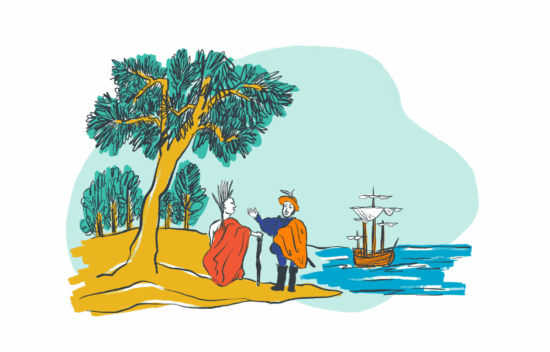
The Columbian Exchange was the widespread transfer of plants, animals, people, diseases, ideas, and cultures between Europe, Africa, and the Americas following Christopher Columbus’s arrival in 1492. This exchange transformed societies on both sides of the Atlantic by introducing new crops, such as corn and potatoes, to Europe and Africa, while bringing horses, livestock, wheat, and other goods to the Americas. The exchange also expanded the transatlantic slave trade, resulting in the forced migration of millions of Africans. One of its most devastating effects was the spread of European diseases, such as smallpox, which decimated Native American populations. Despite both positive and negative consequences, the Columbian Exchange reshaped global economies, cultures, and populations, marking the beginning of a new era of worldwide interaction.





























 Unit
Unit