Curriculum
Votes for Women
Essential Question
How did the suffragists map out a pathway for change to achieve the vote through the Nineteenth Amendment?

Founding Principles
Virtues
Curriculum resources
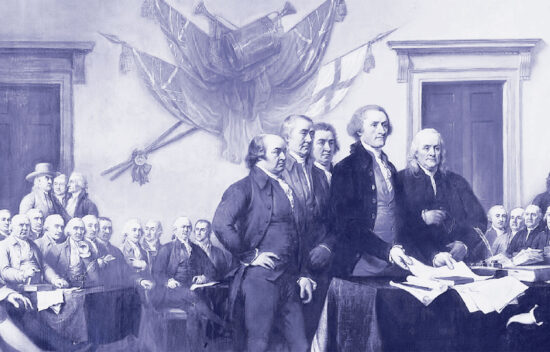
What is the relationship between liberty and equality? Examine the idea of natural rights and equality as expressed in the Declaration of Independence and explore the interplay of these two principles with respect to the idea of change within the United States constitutional order.
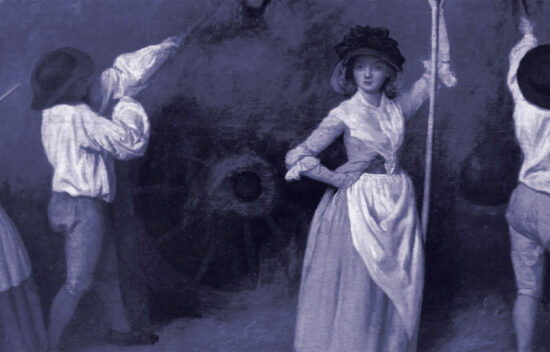
What was the role of citizens in colonial America and in the early republic? How did their liberty and equality during this period play out and what is the purpose of voting within civil society?

Trace the growing public voice of women in American society through various reform movements as well as organized women’s rights movements in antebellum America. Students will analyze the writings of men and women central to the rise of the women’s rights movement and analyze the contributions of several leading figures in the movement.
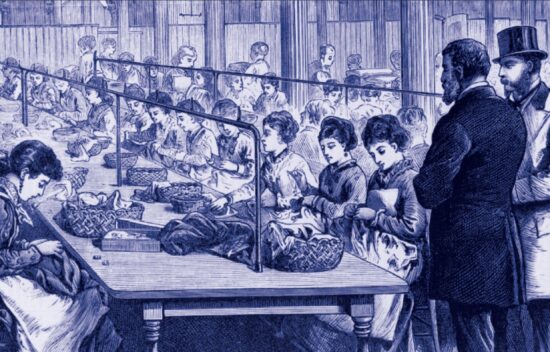
How did the women’s suffrage movement grow after the Civil War? How did the Constitution and the Bill of Rights empower all individuals to express their political voices?

Examine the impact of the passage of the Nineteenth Amendment and assess the connection between suffrage, citizenship, and public life. Explore how people applied or failed to apply constitutional principles and civic virtues in the women’s suffrage movement.

What impact did the Nineteenth Amendment have on American Society and what of issues concern women today? Students will evaluate trends in reform movements towards equality in the twentieth century.

Encourage students to apply the lessons of the suffrage movement to address an an important issue in their lives. This project guides students through a brainstorming, design, and implementation process for achieving change in their own communities. Students will produce a portfolio to document their implementation of their plan.

Help students use the lessons of the suffrage movement to develop a website, event, or other activity that provides members of their community the opportunity to better understand the movement for suffrage and the impact of women in public life in their local communities.

In part one of this two-part Homework Help narrative, learn about the origins of the women’s suffrage movement from Colonial America through the nineteenth century. What challenges did these brave activists need to overcome in the early days of the movement to lay the groundwork for the passage of the 19th Amendment? How did previous protections granted in the Bill of Rights, the 14th Amendment, and incorporation, the responsibility of states to adhere to the Bill of Rights, boost the case for women’s rights.

In part two of this two-part Homework Help narrative, learn about the challenges that the women’s suffrage movement overcame in the late nineteenth and early twentieth centuries. What contributions did monumental suffragists like Alice Paul, Lucy Stone, and Carrie Chapman Catt make on the journey to winning the vote for women?