Video
The Bureaucracy | Government & Politics: Civics for the American Experiment

Watch
Founding Principles
Virtues
About this video
When you think of the executive branch, the president might come to mind—but behind every decision is a vast network of agencies and civil servants. This is the federal bureaucracy.
Explore how the bureaucracy functions, from cabinet officials to over 3 million civil service employees. Learn how these institutions have grown throughout U.S. history, how they affect everything from clean water to transportation safety, and why the balance between accountability and expertise is essential in a constitutional republic. Understand the ongoing debate around bureaucratic power, and why this often-unseen part of government has a very real impact on your everyday life.
This video ties into Unit 4 of the Bill of Rights Institute's Government and Politics: Civics for the American Experiment curriculum. Examine the constitutional foundations, evolution, and daily impact of the federal bureaucracy—and why understanding it is vital for informed civic participation.
0:15 When you hear executive branch, you might picture the president, but the president does not work alone. There’s a network of agencies and offices collectively known as the bureaucracy, that help implement and enforce the laws. The Constitution, has just a brief mention of this bureaucracy. And article two, section two, it states the president may require the opinion
0:36 in writing of the principal officer in each of the executive departments upon any subject relating to the duties of their respective offices. Essentially, it means the president consults with these key officials to manage the government effectively. George Washington, our first president, formed a cabinet, a group of appointed officials heading each of the federal departments that Congress had created.
0:59 This first cabinet included the Department of State, led by Thomas Jefferson. The Department of War, led by Henry Knox. The Department of Treasury, led by Alexander Hamilton and Attorney General Edmund Randolph. These advisors helped Washington manage the daily operations of the new government, establishing a crucial role for the cabinet. today the cabinet has grown and now includes the vice president and
1:22 heads of 15 executive departments, ranging from agriculture to Veterans affairs, while these top officials are appointed by the president and approved by Congress, the bulk of the workforce, about 3 million people, are civil service workers who remain in their roles, regardless of who’s president. The federal bureaucracy has expanded over time,
1:43 especially during periods of major government growth, like during the Progressive ERA, the New Deal, and the Great Society. This growth means the bureaucracy now plays a massive role in our everyday lives, from regulating industries to setting environmental standards, it is important to remember that the system of checks and balances extends to the bureaucracy.
2:06 Some critics argue that the bureaucracy has too much power. And since its members aren’t elected, they’re concerned about the significant decisions they make affecting policy and regulation without direct accountability to the people, they point out that these agencies sometimes blend legislative, executive, and judicial roles, which can blur the lines of our government’s separation of powers.
2:29 On the flip side, supporters argue that these officials are chosen for their expertise and should be trusted to administer laws and regulate complex industries effectively. They argue the specialized knowledge of these groups is the best way to ensure our water is clean and our skies are safe for travel. The Constitution leaves much about the bureaucracy open to interpretation.
2:50 This ongoing debate about its role and power means it’s crucial for citizens to stay informed by knowing how the bureaucracy operates. You gain insight into the unseen hands that impact daily life, and why staying informed is a powerful tool for any citizen.
Standards
Related Resources
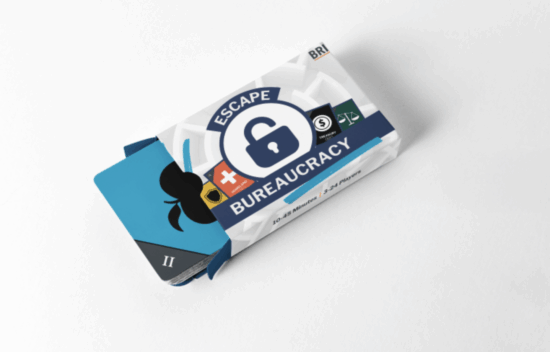
A collaborative organization challenge that highlights the pros and cons of bureaucracy while introducing the cabinets of the Executive Office.