Unit
Responsibility
Guiding question
Acting on good judgment about what is right or wrong, deserving the trust of others. To strive to know and do what is best, not what is most popular. To be trustworthy for making decisions in the best long-term interests of the people and tasks of which they are in charge. Individuals must take care of themselves and their families, and be vigilant to preserve their liberty and the liberty of others.
- 16 Lessons
- 16 Activities
- Founders
- African American History
- Cold War
- Commander in Chief
- Equality
- Impeachment
- Military
- War
- Women’s History

Founding Principles
Virtues
Lessons:
All lessons can be found below!
- General Dwight D. Eisenhower: D-Day and Responsibility
- Asking Pardon of Men: Samuel Sewall and Responsibility
- Establishing a Government of Laws, Not Men: George Washington’s Retirement and Responsibility
- The Torch has Passed to a New Generation: John F. Kennedy’s Inaugural Address and Responsibility
- Tear Down This Wall: Ronald Reagan, the Cold War, and Responsibility
- Sergeant Alvin C. York’s Responsibility
- Jane Addams, Hull House, and Responsibility
- Taking Responsibility: Ida B. Wells and the Anti-Lynching Campaign
- Harriet Tubman: Follow the North Star to Freedom
- Jim Thorpe Chooses the Bright Path of Responsibility
- Varian Fry’s Grave Responsibility
- Defeating the Forces of Darkness: Franklin D. Roosevelt, the Atlantic Charter, and Responsibility
- A Nation at Risk: Responsibility and the National Commission on Excellence in Education
- President Dwight Eisenhower, Responsibility, and Restraint of American Power
- The Angel of the Battlefield: Clara Barton and Responsibility
- No Man Is Above the Law: Mark Felt, Watergate, and Responsibility
Lessons

How did General Eisenhower act with responsibility on D-Day? Explore this question through readings, discussions, and a presentation project.

How did Samuel Sewall take responsibility for his actions during the Salem Witch Trials? Reflect on this question through narratives and a skit activity.

How did George Washington act responsibility as Commander-in-Chief following the Revolutionary War?
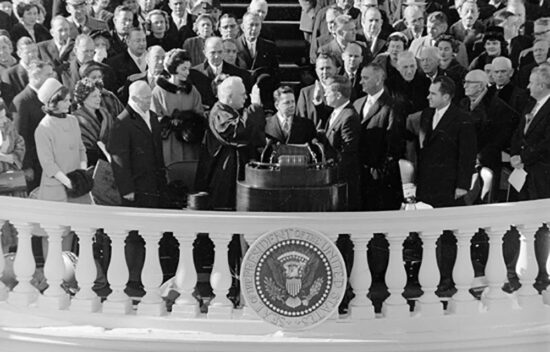
How did John F. Kennedy’s call for responsible actions by the American citizenry in his Inaugural Address?

How did Ronald Reagan’s life-long commitment to ending the tyranny of communism display the virtue of responsibility?

How did Alvin C. York act responsibly toward his men during his attack on Hill 223?

How did Jane Addams act responsibly in running a settlement house and fighting against war?

How did Ida B. Wells’ anti-lynching campaign and her teaching of others about lynching show responsibility?

How did Harriet Tubman act responsibly by helping many people escape slavery?

How is Jim Thorpe’s life as an athlete an example of responsibility?

How did Varian Fry's helping of refugees escape the dangers posed by Nazi Germany an example of responsibility?
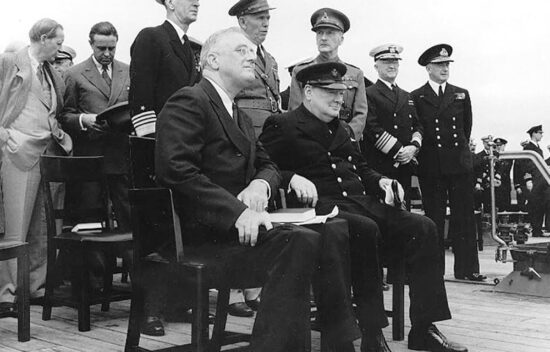
In this lesson, students will learn about the actions of President Franklin D. Roosevelt during the development of the Atlantic Charter. They will learn from Roosevelt’s example of how they can be responsible in their own lives.

How do the 1983 report by the National Commission on Excellence in Education and the succeeding efforts show responsibility in education reform in America?

How did Dwight Eisenhower make responsible decisions related to war and foreign policy during his tenure as president?

How can the example of Clara Barton dedicating herself to the responsibility for caring for others throughout her life inspire students?

How did Mark Felt lived up to the responsibility he believed he had to uphold the rule of law during the Watergate Scandal?