Lesson
William Stoughton and Injustice

Guiding questions
Essential Question
- How can injustice break down the convents, or agreements, we create with the people in our communities?
Guiding Questions
- What does injustice look like in leadership? What does injustice look like among ordinary citizens?
- How can injustice break down the convents, or agreements, we create with the people in our communities?
- Why is it important for community leaders and ordinary people to treat each other justly in a civil society?
Learning Objectives
- Students will analyze William Stoughton’s story to identify examples of how injustice in leadership can hurt society or a community.
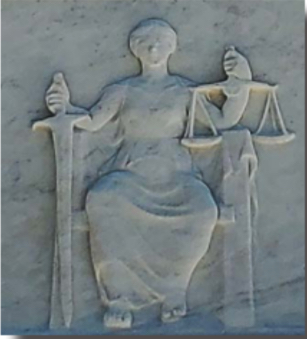
- Students will analyze symbols of justice to create their own understanding of injustice.
- Students will define their own worldview to understand the historical worldview of the people living in Salem, MA, at the time of the Witch Trials.
- Students will create a list of actions they can take to ensure that justice is upheld in their communities.
Materials
Student Resources
- Anticipate: Worldview handout
- William Stoughton Primary Source Image
- William Stoughton and Injustice Narrative
Teacher Resources
- Analysis Questions
- Virtue in Action
- Journal Activity
- Sources for Further Reading
- Virtue Across the Curriculum
Lesson Components
Lesson plan
Key Terms
- Injustice
- To harm others by applying unequal rules and damaging another’s inalienable rights and dignity.
- Covenant
- A usually formal, solemn, and binding agreement.
- Spectral evidence
- Witness testimony that the accused person’s spirit or spectral shape appeared to him/her witness in a dream.
- Empirical
- Based on, concerned with, or verifiable by observation or experience rather than theory or pure logic.
More Information
Procedures
- The following lesson asks students to consider the vice of injustice. Students will engage with the story of William Stoughton and the Salem Witch Trials as they consider the question: Why is it important for community leaders and ordinary people to treat each other justly in a civil society?
- The main activity in this lesson requires students to read and analyze a narrative that explores how William Stoughton led the Salem Witch Trials. Students may work individually, in pairs, or small groups as best fits your classroom. The analysis questions provided can be used to help students comprehend and think critically about the content. As the teacher, you can decide which questions best fit your students’ needs and time restraints.
- Students will also explore the meaning of ‘worldview’ to understand the perspectives of people living in the past.
- Lastly, the lesson includes sources used in this lesson for further reading and suggestions for cross-curricular connections.
Standards
Related materials

This first in our new Homework Help Evidence of History series tells the story of William "Boss" Tweed. Tracing his rise to political power in post Civil War New York City, a metropolis whose population was booming from an influx of European immigrants, this video explores the question of whether Tweed was a hero, a villain, or something in between. Examine the evidence and decide for yourself.

What is the role of the press in a democratic republic? In this video, Mary and Liz explore another one of Thomas Nast’s political cartoons, “The Tammany Tiger Loose" (1871). This striking image aided in the downfall of the corrupt de facto controller of the New York City Democratic Party, William “Boss” Tweed. Knowing both the positive and negative impact that Tweed had on NYC, do you believe Nast’s depiction of Tweed was fair?

By the end of this section, you will explain the similarities and differences between the political parties during the Gilded Age.

Does democracy always foster moral success, or can the systems in place actually help those with devious intentions? To kick off our first episode of season three, Mary, Gary, and Eryn explore these questions by examining the life of Boss Tweed and why the backdrop of Gilded Age New York City was a perfect setup for the corrupt politician to seize power. How did Tweed manipulate each sector of society--from the police to groups of immigrants--to control an entire city?