Lesson
United States v. Nixon (1974)
Guiding question
Was the Constitution’s separation of powers intended to create an absolute executive privilege?

Case background and primary source documents concerning the Supreme Court case of United States v. Nixon. Dealing with the principle of separation of powers, this lesson focuses on the question of whether or not the Constitution’s separation of powers intended to create an absolute executive privilege.
Founding Principles
Materials
Documents you will examine:
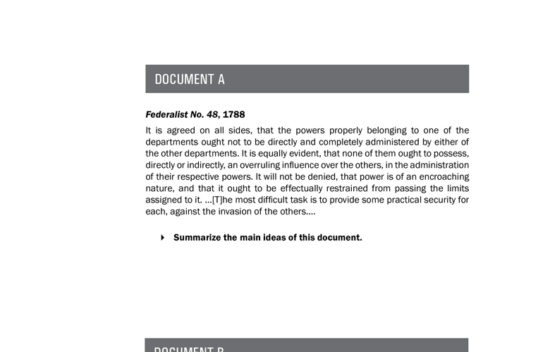
- Federalist No. 48, 1788
- Federalist No. 51, 1788
- Federalist No. 70, 1788
- “King Andrew I: Born to Command,” 1833
- Resolution of the House of Representatives and Reply of the President, 1861
- President Dwight D. Eisenhower to Charles Erwin Wilson, 1954
- “Richard Nixon in the Robes of King George III,” 1973
- Unanimous Majority Opinion, United States v. Nixon, 1974
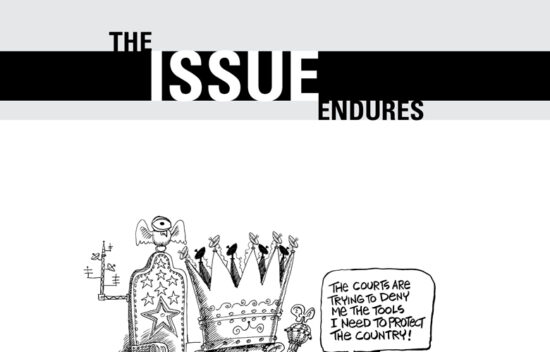
- A 1974 Herblock Cartoon
- Vice President Cheney v. United States District Court, 2004
Lesson Components

Lesson plan
Click a phase to open it
Standards
Related materials


ActivityNixon Tapes: The “Smoking Gun” Tape, 1972
Use this primary source text to explore key historical events.