Video
American Resilience & the 1968 Election with Michael Nelson | BRI Scholar Talks

Watch
Founding Principles
Majority Rule/Minority Rights, Democracy, Consent of the Governed
Virtues
About this video
How did American institutions prove their resilience amid the tumultuous 1968 presidential election? In this episode of Scholar Talks, Michael Nelson, the Fulmer Professor of Political Science at Rhodes College and Senior Fellow at the UVA Jack Miller Center, joins BRI Senior Teaching Fellow Tony Williams to talk about his new book, "Resilient America: Electing Nixon in 1968, Channeling Dissent, and Dividing Government." Together, they discuss postwar American political trends, divisions in American society, and the candidates who ran. How did the 1968 presidential election lead to a divided government and how did it demonstrate the resilience of American institutions?
0:00 you have johnson surprising almost everybody every everybody on the face of the earth by saying i will not seek nor will i accept the nomination of my party for another term as president which maybe was acknowledging the political reality that he was going to have to fight to win the nomination and even if he won uh then being the nominee of a divided
0:20 party is never a good formula for winning the election in november [Music] hi this is tony williams senior fellow at the bill of rights institute and we are pleased to bring you another episode of scholar talks for this episode we’re honored to have on scholar michael nelson who’s going to discuss his new book
0:40 resilient america electing nixon channeling dissent and dividing government and uh the guiding question for this episode is going to be how did american institutions prove their resilience during the tumultuous 1968 presidential election
1:01 and by way of introduction dr michael nelson is a former professor of political science at rhodes college and senior fellow at the uva jack miller center he is an expert on the american presidency and has written and edited several books including the aforementioned resilient america which is the topic for today
1:21 but also the american presidency origins and development 1776-2021 and the presidency and the political system in its 12th edition his wide ranging interests include such diverse topics as published articles on frank sinatra charles dickens the iliad
1:43 and the odyssey baseball music and a whole wide range of diverse topics so very interesting uh michael i want to thank you for joining me my pleasure tony yeah you know one of the reasons why i love your book resilient america is that you know it really speaks to some of the divisions going on maybe in
2:05 our own society and just kind of the enduring relevance of of examining [Music] differences debate um you know divisions in american society and and just how resilient that great civic virtue how resilient are political institutions have seen this through uh some of those problems not only in
2:25 1968 but but a civil war and and foreign wars and and other problems so it speaks to a very very important topic um but we’d also love to get you on on future episodes on your just seminal as landmark study studies on the american presidency because uh they have really shaped uh the field uh and so uh thank
2:48 you for joining us though on on resilient america so uh let’s dive right in here uh can you describe some post-war political trends you know sort of uh in the first few chapters of the book you talked about you know how the the new deal uh how the democrats forge a new deal
3:08 liberal coalition the republicans are making some inroads into the sun belt the the west and the south uh which had traditionally been the solid south for the democrats um also the rise of a conservative intellectual movement and and also that that vital center what scholars call a vital center after world
3:28 war ii and maybe some of the cracks that were starting to appear uh in the 1960s so if you can describe maybe a few of those trends that would be great well i’m going to take post-war to maine post world war ii yeah although resilient america is more about the the vietnam war a different war a differently different kind of war but you know if you look at the whole sweep
3:48 of of of of american political history since the end of world war ii which was what almost 80 years ago now um part of the one theme that sort of marks that period is the disintegration gradually of what had been the governing coalition the new deal coalition forged by franklin roosevelt during his
4:09 during his first term um part of that disaggregation that that disintegration of the new deal coalition was uh the south beginning to move out of its solid democratic um um past and into a more sort of up for grabs and then ultimately primarily republican region
4:30 the white working class which was essentially the mainstay of the new deal coalition coming out of the depression of world war ii has come to again move through a period of being politically up for grabs certainly nixon saw the white working class as a target uh community for the republican party and now we see the
4:51 white working class as the mainstay of the republican party so i think you know we could we could heaven knows we could probably spend hours talking about um how how american politics is different now than it was in the aftermath of of world war ii but i think sort of an overarching governing theme is that what used to we used to have a
5:12 majority party uh coming out of that war it was a democratic party and we don’t have a majority party anymore we have two highly competitive political parties you know it used to be that republicans if you looked at the income a voter’s income the higher it was the more likely they were to vote republican we can’t say that anymore
5:32 it used to be that states like california were mainstays of the republican uh coalition you can’t say that anymore you’d have to say the opposite so a lot of sort of fragmenting of once it appeared to be uh solid and uh and and and 68 being a key year there which we may want to talk about specifically but uh
5:54 what once was sort of uh seemed like it was enduring and maybe even permanent um no longer the case right uh and so in the wake of jfk’s assassination uh lyndon johnson just seemed to be sort of on top of the world if you will right he won a massive landslide against barry goldwater who
6:15 was a conservative republican had great success initially in his presidency push forward the great society legislation uh you know the vietnam war initially popular um you know cold war popularity as well uh so he seemed very successful early on but you know what are the some of the turbulent events of the of the mid-1960s
6:37 that will help shape uh that 1968 election and you know he won’t win re-election yeah the 60s is a really interesting decade and it’s more than just the late 60s when we had the the protest movements and so on the 60s began with uh what had been the post-world war ii sense of of
6:58 of confidence almost to the point of arrogance among americans that anything the united states sets its mind to any problem it sets out to solve domestic or foreign the government is capable of solving that and we see coming into the early 60s confidence in government trust in government the government of washington now is exceptionally high and lyndon
7:21 johnson when he becomes president uh in in the immediate aftermath of the kennedy assassination um is certainly in keeping with that spirit he he wants to form a a great society which will end all the problems of of poverty of of uh of sort of cultural detachment i mean every problem you could imagine in the united states fdr uh lbj sorry thought
7:42 could be solved through the great society and at the same time uh feeling like that on the on the international stage winning the vietnam war was just a matter of american will and persistence and there’s a tragic arc to the johnson presidency which begins with such
8:02 uh promise and such accomplishment and and a landslide election in 1964 and then over the course of the second term the tragic arc bends steeply downward uh because of opposition to the war because of of disappointment with the failure of the great society to solve every problem
8:23 of poverty and alienation and by the time the 68 by the time 1968 begins um johnson is is on the ropes he’s being challenged for the nomination of his own party first by senator eugene mccarthy of minnesota and then senator robert f kennedy
8:43 the brother of the slain president of of new york and uh and by the end of march he has actually uh reached the conclusion that he needs to withdraw from the election um that is you know that as somebody of a certain age who can remember watching television that night in the fraternity house and expecting to hear yet another
9:05 speech about the vietnam war and hearing that speech and then at the end you have johnson surprising almost everybody every everybody on the face of the earth by saying i will not seek nor will i accept the nomination of my party for another term as president which maybe was acknowledging the political reality that he was going to have to fight to win the nomination and even if he won
9:28 uh then being the nominee of a divided party is never a good formula for winning the election in november but for whatever complicated reasons johnson ended up um i don’t know if you want to call him a victim or a self uh inflicted uh casualty of his own presidency
9:48 yeah almost seems a greek tragedy right kind of this epic rise and fall in some ways followed by another greek tragedy right i mean his successor uh richard nixon were getting ahead of the game but the the one who who was elected in 68 and then like johnson was elected once again by a historic landslide and then it seems like at the
10:10 apex of of political triumph the downward trajectory begins and and the presidency crashes and burns in a sense nixon leaves the white house the same way johnson did by by voluntarily stepping down in the face of of of possible be possibly being forced out in nixon’s case he almost certainly
10:32 would have enforced that right right and and you mentioned a divided democratic party and and that’s a very segue into my next question is that you describe that the democratic party is divided in many ways between these party regulars kind of the old union members and kind of the proverbial you know guys in the back room smoking the cigars uh with its more progressive
10:54 wing um so how does this play out in the 1968 election uh with with such diverse candidates as hubert humphrey robert kennedy eugene mccarthy and and how does it affect party prospects in presidential elections for the next few decades well and let’s not forget george wallace obama a democrat who ended up
11:15 running as an independent in 68 and getting 13 of the national popular vote and carrying four states and and seeming for a while there that he was going to deny either the republican nominee nixon or the democratic nominee humphrey a majority of electoral votes in which case it would have gone into the house of representatives i mean that that sort
11:36 of hung over the whole year but the democrats you know having been a majority party of necessity in a country as as as diverse as ours means that party that majority includes groups whose interests and ambitions are in tension with each other and certainly one of the the grand
11:56 stories of the post-world war ii era which which plays out in the 60s is the rise of of of the civil rights movement and its achievement of major legislation assuring voting rights cementing the loyalty of black voters to the democratic party and thereby creating a kind of tension with the existing
12:18 democratic coalition which included white southerners which included white working-class voters and then you have in 68 the sort of aggravating circumstance of divisions within the party over the vietnam war um you know which the johnson administration was was obviously
12:40 along with the kennedy administration by the way i wouldn’t i wouldn’t i wouldn’t give kennedy a pass on this but this was their war and yet there was an enormous amount of opposition especially among younger democrats um to to the war and and that was that was the the sort of raw material out of which
13:00 eugene mccarthy and then robert kennedy were able to mount a challenge to to johnson now do we see in 68 what we see sort of the the the seeds of what we see today in the tension within the democratic party between progressives and and more i don’t know what you’d call the moderate liberal um democrats yeah to
13:22 some degree to some degree the the modern progressives are sort of the the political descendants of the forces within the party that that challenged and and in effect uh uh drove lyndon johnson from office right and as a follow-up you know it gets kind of complicated but the 68 72 these different party rules in terms of
13:43 the nominating process really kind of shaped the democrats into a a more progressive party it did i mean what i think um you know for a while there and maybe still political scientists those who study american politics those who study political parties
14:04 have tended to look at the the the reformed nominating process that came out of of the 68 breakdown within the democratic party the reforms that came out of that in the form of the mcgovern fraser commission which essentially created the modern nominating process where every delegate to both parties conventions has to
14:25 compete in an open primary and open caucus there are no party leaders there are no party bosses sort of wiring things it’s it’s who can get the most votes from rank and file party members in primaries and caucuses okay there’s a sense that maybe that among many scholars that that made the process too
14:46 too small to be democratic i would say this one of the things about 68 is that for many people it felt like a year not unlike the year we’re in now when the country might literally be coming apart at the seams and and part of my argument in resilient america is that our political
15:06 institutions including the parties in the aftermath of 68 were open enough so that every group that felt sort of left out in 68 remember that there was no anti-war candidate on the ballot in november it was hubert humphrey um who promised a sort of mild departure from from president johnson’s policies
15:28 humphrey was vice president in the administration uh nixon who who you know clearly was not an anti-war progressive um the fact that the party the democratic party and the republican party sort of opened up meant that those who who felt like they hadn’t prevailed in 68 had had a way of getting back into
15:48 the system hadn’t had an open door to get back into the system and by the way the same being true for the for the many um southerners white southerners but also white working-class people who voted for george wallace that the openness of the parties kept them from sort of spitting out into permanent alienation so
16:08 you know it’s a point of frustration i think sometimes for for students of american politics that power within the system is so decentralized branches of government levels of government but the political parties that are that are that operate in all all state but my argument is that the more sort of
16:30 ways into the system the more doors that are open in one institution to another to any group that is seeking to influence the course of government and policy public policy having a variety of open doors means that voters who might be very unhappy today don’t feel like well i’ve got i’m giving
16:51 up on the whole system there’s no there’s no way that i can ever have a voice in the system yeah there there are multiple ways and and the system in a sense was able to absorb all the dissent that came out of that very divisive year of 1968 absorb it and keep us going i mean we’ve still got the
17:13 constitution we’ve still got the same political parties we’ve still got so much that that uh that seemed to be um under the gun in 1968 right right good so we’ve talked about the democrats and and over on the republican side that the 68 elections he to see a similar kind of split that you had
17:34 the rise of these sun dog conservatives uh and this conservative intellectual movement over these more liberal eastern establishment republicans um so how does this lead how does it shape nixon’s domination and how is it maybe going to culminate in in you know the the rise of the reagan republicans around the 1980s
17:55 well nixon you know nixon remember he was on the ballot for president or vice president in five different elections dating back to to 1952 when he was eisenhower’s running mate so nixon had certainly been a major figure in the republican party during almost all of the post-world war
18:15 ii um era and he saw in 1964 when goldwater captured the nomination he saw what was happening to the party and that and that power within the republican party was moving was moving in a sense south and west away from the northeastern uh dewey rockefeller you know etc liberal
18:36 republican establishment moving south and west and also moving to the to the right and so when he planned his candidacy for the nomination in 1968 he realized that he’s going to have to he’s going to have to somehow find a way of broadening his appeal within the party which he did to conservatives without going as far to the right as goldwater who’d been in the nominee in
18:57 64 and lost overwhelmingly nixon sort of saw what was happening um i think nixon in some ways you know he’s associated in many scholarly works now with the southern strategy right with the idea that you you play on issues of of race in order to
19:19 uh build a majority coalition rooted in the south that happened during his presidency it didn’t happen in 68 his the coalition he was seeking to build in the november election once he had the nomination was a very traditional his targets were the large states with a lot of electoral votes and he carried you know california he
19:40 carried illinois he carried ohio um he was he was he was following a traditional strategy then as far as the south goes he knew that george wallace was going to carry the deep south and basically the southern states that he targeted in 68 were states that eisenhower had carried twice that nixon himself had carried in 1960 the sort of
20:02 outer south states states like virginia and tennessee florida north carolina so in in that sense once he got the nomination um having sort of run a little bit to the to the right if you will he followed the traditional playbook in the general election of moving back toward um the political center
20:24 okay excellent uh and final question and you’ve talked about it a little bit but um you know can you expand upon the idea of how did this seminal 1968 presidential election lead uh to divided government and and how did it demonstrate the the resilience of those american institutions amid a very contentious election and
20:46 you know for us coming out of of 2020 and and other uh contentious elections you know what what lessons might have divided america today you learned from 1968 well you know one thing is that we’ve been through times in in in the living memory of some of us even though it’s been a half century ago we have been through times you don’t
21:07 have to go you don’t have to go all the way back to the civil war to find a time when it seemed like the country was coming apart to many people it felt that way in 1968 and yet it didn’t come apart in 1968 the resilience of our political institutions enabled america to instead of coming apart at the seams to sort of come back together um that is my hope i mean there’s
21:29 history does not repeat itself as somebody once said it it may rhyme but it doesn’t repeat itself one hopes that the lesson you can take away from the civil war from from 1968 from the deep divisions over whether to ratify the constitution back in 1789 from the incredibly uh
21:52 vitriolic early presidential elections in our one hopes one can take away from those series of things including 68 that whatever we’re going through now um will not be things will not just continue to to break further and further and further apart now that’s that’s a hope but i think it’s a hope
22:13 that is grounded in in history and uh and that’s why i’m optimistic that although we’re going through a rough patch now it is not the roughest patch we’ve ever gone through and and managed to come out the other the other the other side of right uh you know michael i i think that’s a great note to end on uh one of one of hope and optimism that uh we can
22:34 uh again sort of uh unite uh according to the better angels of our nature if you will uh you know as americans you know whatever our differences over policy and that kind of thing so i want to thank you for coming on uh the book is resilient america with the university press of kansas electing nixon in 1968 channeling dissent and dividing
22:56 government thank you again my pleasure and i also want to thank all of you for joining us on this episode episode of scholar talks please check out our library of interviews including our series the cold war and the presidency and also our free online textbook life liberty and the pursuit of happiness for more resources on post-war modern
23:16 america thank you you
Standards
Related Resources

20+ minute interviews with modern authors and scholars on topics of U.S. History and Civics.


Why did LBJ decide not to run for president in 1968?
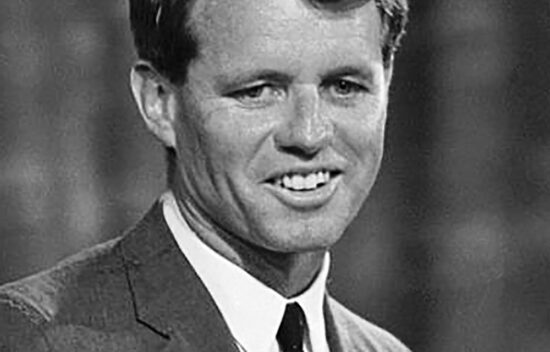
How did the words and actions of Robert F. Kennedy, who used his candidacy for the presidency in 1968, spread a message of hope, justice, and respect?