
25th Amendment | What is the Twenty-Fifth Amendment?
The Twenty-Fifth Amendment in the Constitution outlines presidential succession if a President dies, resigns, or is removed because of a disability.
Read the Additional AmendmentsTwenty-Fifth Amendment
Section 2. Whenever there is a vacancy in the office of the Vice President, the President shall nominate a Vice President who shall take office upon confirmation by a majority vote of both Houses of Congress.
Section 3. Whenever the President transmits to the President pro tempore of the Senate and the Speaker of the House of Representatives his written declaration that he is unable to discharge the powers and duties of his office, and until he transmits to them a written declaration to the contrary, such powers and duties shall be discharged by the Vice President as Acting President.
Section 4. Whenever the Vice President and a majority of either the principal officers of the executive departments or of such other body as Congress may by law provide, transmit to the President pro tempore of the Senate and the Speaker of the House of Representatives their written declaration that the President is unable to discharge the powers and duties of his office, the Vice President shall immediately assume the powers and duties of the office as Acting President.Thereafter, when the President transmits to the President pro tempore of the Senate and the Speaker of the House of Representatives his written declaration that no inability exists, he shall resume the powers and duties of his office unless the Vice President and a majority of either the principal officers of the executive department or of such other body as Congress may by law provide, transmit within four days to the President pro tempore of the Senate and the Speaker of the House of Representatives their written declaration that the President is unable to discharge the powers and duties of his office. Thereupon Congress shall decide the issue, assembling within forty-eight hours for that purpose if not in session. If the Congress, within twenty-one days after receipt of the latter written declaration, or, if Congress is not in session, within twenty-one days after Congress is required to assemble, determines by two-thirds vote of both Houses that the President is unable to discharge the powers and duties of his office, the Vice President shall continue to discharge the same as Acting President; otherwise, the President shall resume the powers and duties of his office.

The Resignation of Richard Nixon Lesson
This lesson helps students understand:
- how the succession process in the Twenty-Fifth Amendment works
- the sequence of events by which Gerald Ford became President
- the legitimacy of Gerald Ford’s presidency
- why President Ford pardoned Richard Nixon
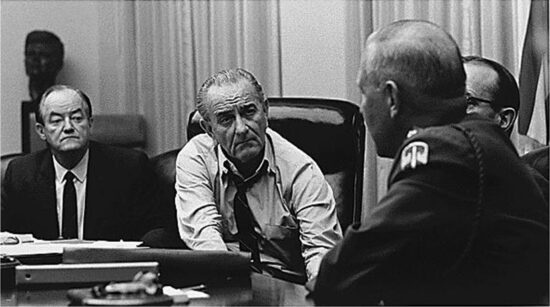
The Twenty-Fifth Amendment eLesson
Explore why the Twenty-Fifth Amendment was added to the Constitution and the enduring debate about the question of Presidential disability.