BRI Teacher Council Member Urges Perseverance In Teaching Civics
<p><em>By Melody Lucas</em></p>
<p>You would have to be hiding under a rock or perhaps living in your school (like your students think you do) to not know we live in a divided America, especially when it comes to politics.</p>
<p>The media does an excellent job of communicating this almost daily. Many might say this partisanship is turning many Americans off to government and politics. So it is no surprise this is now trickling down to the schools and students, where teachers are required to teach civics in almost every social studies course.</p>
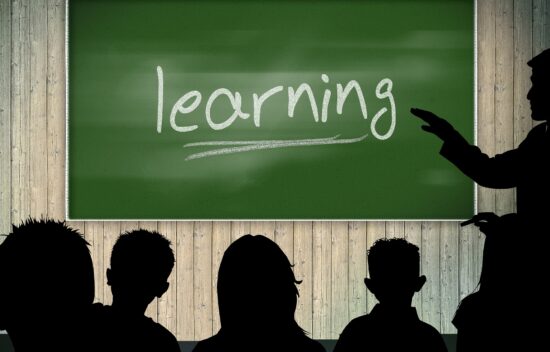
<p>In the last 10 years, just writing the word “government” on the board gets a rise out of some students and they often have many opinions about how they feel about the current government and its leaders. This makes teaching civics today both more challenging and engaging.</p>
<p>While many students want to talk about how they feel about issue(s) or where their family stands on an issue, other students feel stifled if their opinion is not the loudest or most popular. On top of that, teaching civics with a neutral, unbiased stance is not always easy, even for registered independents.</p>
<p>We all have biases, whether we realize it or not. Making any kind of personal statement can lead to parent phone calls, even when you feel it was a neutral stance or one that presented both sides.</p>
<p>I previously taught about the 2nd Amendment and said while I don’t own any guns, I am glad I have the Constitutional right to do so. Shortly thereafter, I was accused by a parent of indoctrinating students to be against gun rights and ownership.</p>
<p>Keeping students engaged and discussing issues is so important. Still, it can be a slippery slope if you do not intentionally plan discussion questions and anticipate areas where students might be prone to expressing opinions that could offend their peers. I worked with teachers who want to get through civics as quickly as possible, because they are nervous about parent or student complaints.</p>
<p>This is where using resources from the Bill of Rights Institute has been very helpful, as they encourage students to explore issues, look at multiple perspectives, and allow students to figure out where they stand. Teaching civics might be more critical than ever, so don’t shy away because you are worried about controversy. Find ways to embrace the controversy! There are great resources out there!</p>
<p><em>Melody Lucas teaches government and civics at Fort Settlement Middle School in Sugar Land, TX. She is also a member of the Bill of Rights Institute National Teacher Council.</em></p>